
 Back to News
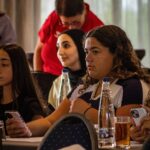
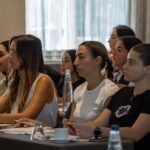
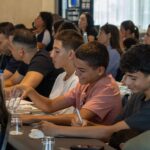
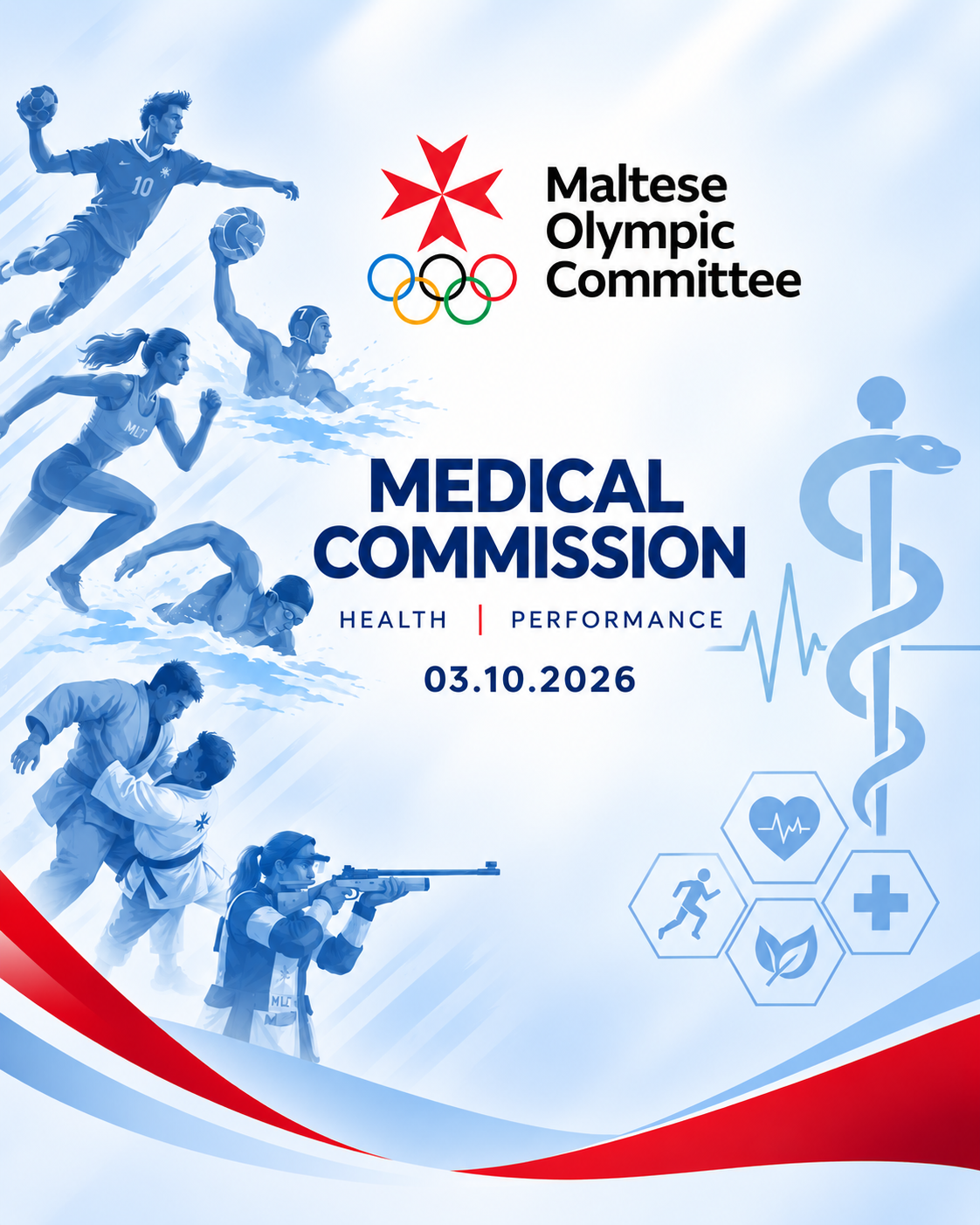
The Medical Commission of the Maltese Olympic Committee (MOC) hosted a one-day seminar on sports nutrition and supplement use on Saturday 3rd October at Salini Resort, St. Paul’s Bay. The seminar was supported by Olympic Solidarity.
The seminar was organised in response to the widespread use of supplements among athletes at all levels. Many products are taken without clear evidence of benefit, and some carry real risks, including contamination with prohibited substances, mislabelling and interactions with medication. Under the principle of strict liability, athletes are responsible for any prohibited substance found in their system, whatever its source. The seminar set out to give athletes, coaches and support staff the practical knowledge needed to make informed and safe decisions.
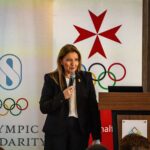
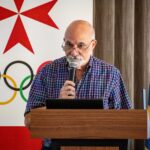
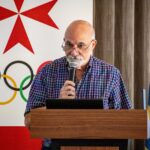
Following welcome addresses by Mr Julian Pace Bonello, President of the MOC, and Dr Lucienne Attard, MOC Executive Board Member and Chair of the MOC Medical Commission, the programme ran across three sessions. The first covered the basics of sports nutrition, a “food first” approach to supplements, and supplements with proven benefits. The second looked at the evidence and myths around creatine, including its role in brain health. The third dealt with the risks of supplement use and included a practical segment where athletes could check their own supplements. The day closed with a panel discussion and Q&A.
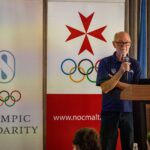
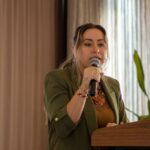
The seminar was led by Dr Attard together with Prof Ron Maughan, an internationally recognised expert in sports nutrition and Honorary Professor at the School of Medicine, University of St Andrews, who also directs education programmes on behalf of the IOC Medical and Scientific Commission. They were joined by Fleur Bugeja, a state-registered nutritionist with more than fifteen years’ experience. She works with the Ministry for Health, has lectured at the University of Malta, and is currently undertaking a Diploma in Sports Nutrition with the International Olympic Committee.
Dr Attard said: “Athletes are under constant pressure to find an edge, and supplements are often seen as an easy answer. The reality is that a well-planned diet does most of the work, and any supplement carries a responsibility. Through this seminar, supported by Olympic Solidarity, we wanted athletes and their support teams to understand what works, what does not, and how to protect both their health and their careers.”